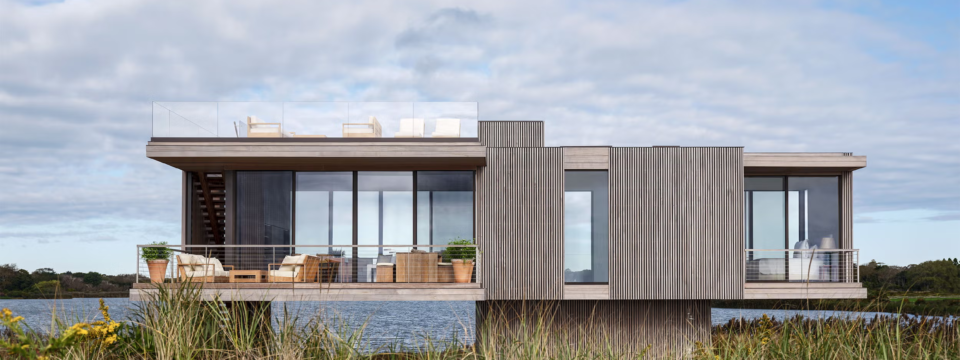
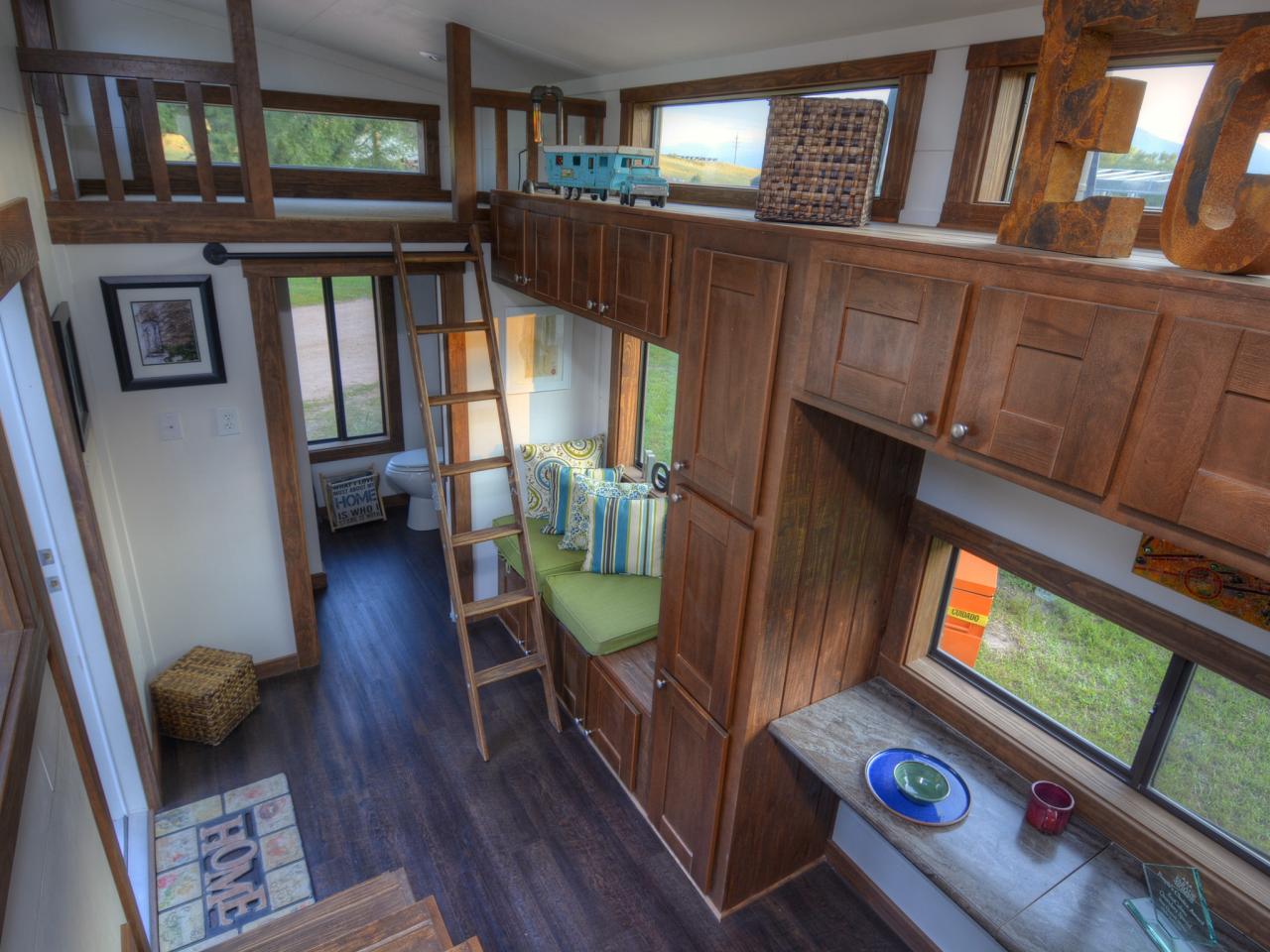
Sustainable Architecture has become one of the most important approaches to modern building design. As communities face environmental challenges, resource limitations, and changing climate conditions, architects are exploring ways to create buildings that consume fewer resources while providing comfortable and productive spaces.
Sustainable architecture is not limited to adding solar panels or energy-efficient equipment. It involves considering environmental performance throughout the entire life of a building, from site selection and material choices to construction, operation, maintenance, and eventual reuse.
What Is Sustainable Architecture?
Planning Sustainable Architecture aims to reduce the environmental impact of buildings while maintaining functionality, comfort, and long-term value.
Important principles include:
Energy efficiency
Water conservation
Responsible material selection
Waste reduction
Renewable energy
Passive design
Indoor environmental quality
The exact approach depends on the building type, climate, location, and available resources.
Passive Design Strategies
Passive design is one of the foundations of sustainable architecture. Instead of relying entirely on mechanical systems, architects can use the building’s orientation, form, windows, shading, and materials to improve comfort.
Strategies may include:
Natural ventilation
Solar shading
Thermal mass
Daylighting
Building orientation
High-performance insulation
These strategies can reduce energy demand while improving occupant comfort.
Energy-Efficient Buildings
Energy consumption is a major consideration in building performance.
Architects and engineers may incorporate:
Efficient lighting
High-performance windows
Efficient heating and cooling
Smart controls
Energy monitoring
Renewable energy systems
Reducing energy demand can lower operating costs while contributing to environmental goals.
Renewable Energy
Solar panels and other renewable technologies can help buildings generate some of their own energy.
Solar photovoltaic systems are increasingly incorporated into residential, commercial, and institutional projects.
The effectiveness of renewable energy depends on factors such as site conditions, building orientation, available roof area, and local energy infrastructure.
Water Conservation
Water is another important part of sustainable building design.
Architects may specify:
Low-flow fixtures
Rainwater collection
Efficient irrigation
Water-efficient landscaping
Greywater systems where appropriate
Reducing unnecessary water consumption can improve long-term resource efficiency.
Sustainable Materials
Material selection has a significant influence on environmental performance.
Designers may consider:
Recycled content
Local sourcing
Durability
Recyclability
Low-emission products
Responsible manufacturing
Durable materials can also reduce the need for frequent replacement and maintenance.
Adaptive Reuse
Reusing existing buildings can be an effective sustainability strategy. Instead of demolishing a structure and constructing a replacement, architects can adapt the existing building for new uses.
Examples include transforming former:
Warehouses
Factories
Schools
Offices
Retail spaces
Adaptive reuse can preserve existing resources and architectural character.
Green Roofs and Vegetation
Vegetation can contribute to sustainable building design. Green roofs may provide insulation, manage stormwater, and create habitat for plants and insects.
Trees and landscaping can also provide shade and help moderate outdoor temperatures.
Indoor Environmental Quality
Sustainability also involves the health and comfort of building occupants.
Architects may consider:
Natural daylight
Ventilation
Thermal comfort
Acoustic conditions
Low-emission materials
Access to outdoor views
A building should be environmentally responsible without sacrificing the quality of the interior experience.
Sustainable Architecture and Urban Planning
Buildings do not exist independently from their surroundings. Sustainable architecture works particularly well when combined with sustainable Urban Planning.
For example, locating homes near public transportation can reduce dependence on private vehicles. Mixed-use developments can shorten travel distances, while pedestrian-friendly streets can encourage walking.
This demonstrates why sustainable building design and urban development need to work together.
Technology and Building Performance
Modern technology allows architects and engineers to analyze building performance before construction.
Energy modeling can help teams evaluate:
Heating and cooling demand
Solar exposure
Daylight
Energy consumption
Building envelope performance
Digital tools make it easier to compare different design strategies.
Designing for the Future
A sustainable building should be adaptable. Changes in technology, occupancy, climate, and user needs can affect how buildings perform over time.
Flexible layouts and durable systems can make buildings easier to modify rather than replace.
The Future of Sustainable Architecture
Future sustainable architecture is likely to focus increasingly on:
Low-carbon materials
Net-zero energy
Circular construction
Building reuse
Climate resilience
Renewable energy
Smart building systems
Nature-based design
These approaches can help reduce environmental impacts while creating more adaptable spaces.
Conclusion
Sustainable Architecture provides a practical framework for creating buildings that are environmentally responsible, efficient, comfortable, and resilient. By combining passive design, energy efficiency, responsible materials, water conservation, renewable energy, and adaptive reuse, architects can reduce the impact of the built environment.
As cities grow and environmental challenges become more significant, sustainable architecture will remain an important part of responsible development. When combined with thoughtful architectural design and effective urban planning, it can help create buildings and communities that serve people today while preserving resources for future generations.