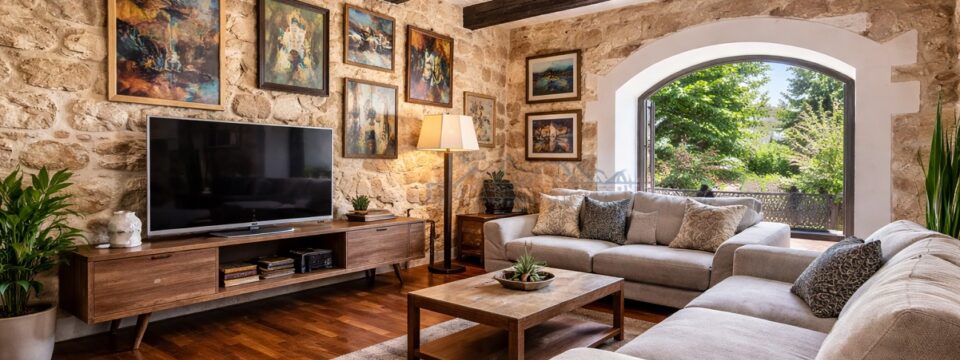
Malta has rapidly become one of Europe’s most attractive real estate destinations thanks to its Mediterranean lifestyle, stable economy, and investor-friendly policies. Buyers from across the globe are increasingly looking at the island not just as a holiday hotspot but as a long-term property investment opportunity. If you are researching Property for sale in Malta, understanding the market trends, legal process, and best locations will help you make a confident and informed decision in 2026.
Why Malta Is a Popular Property Investment Destination
Malta’s property market has remained resilient over the years, even during periods of global economic uncertainty. One of the main reasons is the country’s strong demand for residential and rental properties driven by tourism, expatriates, and international professionals relocating to the island. With English as an official language, a stable political environment, and EU membership, Malta offers a secure environment for property buyers.
Additionally, Malta’s attractive residency and citizenship programs continue to attract foreign investors who want both lifestyle and long-term financial benefits. Many buyers see Maltese real estate as a safe asset that provides rental income and capital appreciation.
Types of Property Available in Malta
The Maltese real estate market offers a wide range of property types suitable for different budgets and lifestyles. Whether you are looking for a modern apartment or a traditional home, there is something for everyone.
Apartments and Penthouses
Apartments are the most common type of property for sale in Malta. They are particularly popular in urban areas like Sliema, St. Julian’s, and Gzira. Penthouses, on the other hand, offer luxury living with sea views and spacious terraces, making them ideal for investors and high-end buyers.
Villas and Houses of Character
For buyers seeking privacy and heritage charm, villas and traditional houses of character are excellent choices. These properties are often located in quieter towns such as Rabat, Naxxar, and Gozo, and they provide a blend of history and luxury.
Maisonettes
Maisonettes are a unique Maltese property type, usually featuring a private entrance and more space than standard apartments. They are ideal for families who want apartment-style living with added privacy.
Best Locations to Buy Property in Malta in 2026
Choosing the right location is crucial when buying property in Malta, as each area offers different advantages.
Sliema and St. Julian’s
These are among the most sought-after areas for both residential and investment properties. They offer waterfront living, modern developments, shopping centers, and vibrant nightlife. Property prices here are higher but rental demand is strong year-round.
Valletta
Malta’s capital city is a UNESCO World Heritage site, making it a premium location for historic and luxury properties. Buying in Valletta is ideal for investors interested in boutique rentals and cultural tourism.
Gozo
Gozo is perfect for buyers looking for tranquility and lower property prices. The island has seen increasing development, and it is becoming a favorite for retirees and second-home buyers.
Central Malta (Birkirkara, Mosta, Naxxar)
These towns provide a balance between affordability and accessibility. They are popular among locals and families, making them ideal for long-term residential investments.
Property Prices in Malta: 2026 Market Overview
Property prices in Malta vary significantly depending on the location, type, and amenities. In 2026, the market remains competitive but stable, with steady growth expected.
- Apartments in central areas: €250,000 – €450,000
- Seafront apartments: €400,000 – €800,000+
- Villas and luxury homes: €700,000 – €3 million+
- Gozo properties: €180,000 – €400,000
While prices in prime areas continue to rise, emerging locations still offer good value for money and strong investment potential.
Legal Process of Buying Property in Malta
Buying property in Malta is relatively straightforward, especially for EU and foreign buyers. However, understanding the legal steps is essential to avoid delays or complications.
Step 1: Budget and Property Search
Start by setting a clear budget, including additional costs such as taxes, legal fees, and notary charges. Work with licensed real estate agents to find suitable properties.
Step 2: Promise of Sale Agreement (Konvenju)
Once you find a property, a preliminary agreement is signed. This contract outlines the terms and usually requires a 10% deposit.
Step 3: Due Diligence and Legal Checks
A notary conducts searches to ensure the property has no legal issues, debts, or ownership disputes.
Step 4: Final Deed and Transfer
The final contract is signed in front of a notary, and the remaining payment is made. Ownership is then officially transferred to the buyer.
Costs and Taxes to Consider
Apart from the property price, buyers should be aware of additional costs involved in purchasing property in Malta:
- Stamp Duty: 5% of property value (standard rate)
- Notary Fees: 1%–2%
- Legal Fees: Around 1%
- Agency Fees: Usually paid by the seller
Foreign buyers may also need an Acquisition of Immovable Property (AIP) permit, depending on the property type and location.
Investment Potential and Rental Returns
Malta offers strong rental yields due to its thriving tourism industry and expat population. Short-term rentals in tourist hotspots and long-term rentals in urban areas both generate steady income.
Typical rental yields in Malta range between 4% and 7%, depending on the location and property type. Seafront apartments and centrally located properties tend to perform best in terms of rental demand.
Tips for First-Time Buyers in Malta
Buying property abroad can be exciting but requires careful planning. Here are some practical tips:
- Work with licensed real estate agents and legal professionals
- Research market trends before making an offer
- Visit multiple properties before finalizing your decision
- Consider resale value and rental potential
- Understand residency and tax implications
It is also wise to inspect the property thoroughly and verify all documentation before signing any agreements.
Residency and Lifestyle Benefits
One of the biggest advantages of buying property in Malta is the lifestyle it offers. The island boasts over 300 days of sunshine, beautiful coastlines, and a relaxed Mediterranean pace of life. Additionally, property ownership can support residency applications under certain programs, making it attractive for international buyers.
Malta also provides excellent healthcare, quality education, and a strong infrastructure, making it suitable for families, retirees, and professionals alike.
Malta Buying Essentials
The Maltese real estate market in 2026 continues to attract buyers seeking both lifestyle and investment opportunities. With diverse property options, a transparent legal system, and strong rental demand, Malta remains one of the most appealing property markets in Europe. Whether you are purchasing a holiday home, relocating permanently, or investing for rental income, conducting proper research and working with experienced professionals will ensure a smooth buying journey. By understanding the market dynamics, locations, and legal process, you can confidently secure the right property and enjoy the long-term benefits of owning real estate in Malta.